
2026 Winners
Congratulations to all the 2026 Short Grain Winners!
Fiction
1st prize ($1000)
Joshua Goudie
"Lonely Planet"
2nd prize ($750)
Lauren Griffin
"Tourists"
3rd prize ($500)
Kailash Srinivasan
"Appa"
Honourable Mention
Annick MacAskill
"Best"
Carol Duncan
"Domestic Service"
Poetry
1st prize ($1000)
Claire Gordon
"Polycarbonate Dream"
2nd prize ($750)
David Ehmcke
"After Catullus"
3rd prize ($500)
Lisa Bird-Wilson
"Look Up"
Honourable Mention
Sasha Pickering
“Weather 1-10”
Lisa Bird-Wilson
“Berry Season"
Judges' Comments
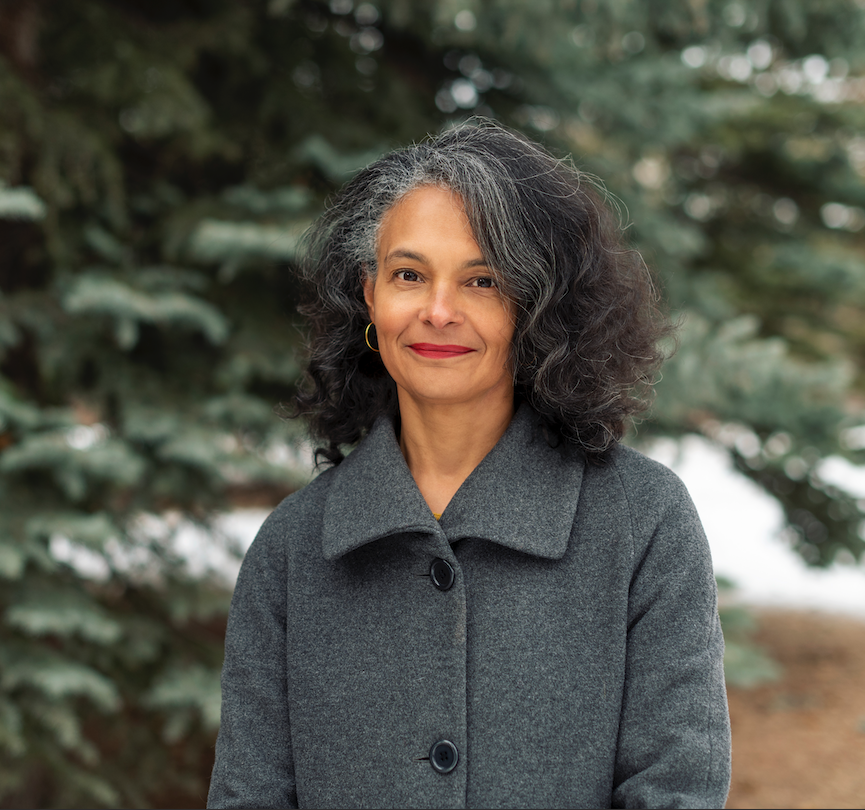
Fiction - Suzette Mayr
There were so many excellent stories in this collection, and I wished many times that there was a way to winnow the stories down to at least twenty winners. But a contest is a contest, and I am delighted to introduce the winner and two finalists for this year’s Short Grain Fiction contest: the winner “Lonely Planet,” and the two runners-up, “Tourists” and “Appa.”
“Lonely Planet” is about a relationship on the rocks, in which the protagonist Rose meditates on her relationship with her partner David while on a sightseeing trip in Rome. David is all wrong for her, but the relationship persists in all its drabness. Rose’s interior world is vast—she understands beauty in all its aspects, whether in the accidental artistry of mismatched antique silverware, or in “pearls” of prosecco that spill on cobblestones. But her external world is small and choked. “Lonely Planet” is delightfully funny, however, because of Rose’s distinctive, wry way of looking at the world.
“Tourists” is a terrific example of how an effective piece of fiction doesn’t need length to pack a punch. Set in catacombs beneath a church, this story’s power radiates from vibrant, sensory images and a narrator who juxtaposes a grim chamber of human remains with the jarring presence of a tourist group—a group that includes a little boy who runs his yellow truck over the bones and pets a gargoyle like it is a dog. This story could simply be read as a judgement of vacuous tourist-culture, but really it is a wonderfully nuanced look at how life and death are two sides of the same coin.
“Appa” contemplates intimacy as a subject: the intimacy between lovers (or would-be lovers as the parents in this story fruitlessly try to lock their bedroom door to keep their children out); the intimacy between siblings; and, most importantly in this story, the physical and emotional intimacy that can occur between child and parent. Narrated from the point of view of a son reflecting on his relationship with his parents, this story’s shape is reminiscent of a tableau—we see the narrator as a child, confused about how his parents’ need for privacy conflicts with his need for their physical reassurance, and later as an adult held back from his father because of distance and adult responsibility. In the end, this is a story about the preciousness of touch and connection.

Poetry - Billy-Ray Belcourt
The making of poems feels newly critical in the face of AI’s cannibalistic approach to language. Since the inception of ChatGPT in 2022, I’ve been unlucky enough to have to read some AI-generated “poems” and they’ve all made language feel hollow and fatally overdetermined. I was first drawn to poetry because it opened up a space inside me to hear and feel what I wasn’t able to otherwise hear and feel in my daily life. The poems submitted for this contest reminded me that poetry can indeed help save us from this new world-historical shift. Poems are still being constructed in order to preserve that space in us that defies power and violence. Poems continue to insist on a relation to language that demonstrates our enduring complexity and mystery.
“Polycarbonate Dream” is a poem that positions us inside the climate catastrophe. It reminded me of the theorist Donna Haraway’s famous encouragement to stick with the trouble instead of turning our backs on it. The language is sleek and erudite and offers an exacting diagnosis of our interminable moment: “While the rich made a sauna in space / We took naked photos of each other.” The taking of naked photos is our urgent work in the “cosmic / Thermal / Updraft” in which we are lodged. “Polycarbonate Dream” is a poem that somehow contains inside its few lines deep knowledge of our present and future world.
“After Catullus” is a combination of grit and intelligence that feels unique to poetry. It begins with injury—the wound of prejudice—and ends with a reminder of the closeness of revulsion to revolution. This poem is searching and curious and feels to me to contain boundless wisdom from which we can keep learning.
“Look Up” is a stunning weaving of the English and Cree languages that asks us to attune to the beauty of all of our relations. Its lyric prowess and generosity of spirit moved me deeply. I detected in its lines and images a whole ecosystem of possibility. I wanted to live in this poem forever.
Our Funders




Grain is grateful to its funders: Sask Lotteries, Canada Council for the Arts, and the financial support from its private donors.
Grain is published by the Saskatchewan Writers' Guild.